
The Transformation of Mona’s Theology
Blood CanticleMona’s philosophical writing turns her new vampiric experience into questions about human nature, salvation, and moral obligation.
increasing Bearing strength in each event
 decreasing
Bearing strength in each eventdecreasingThe First Questions

The First Questions
Writing through shock
Mona records that the vampire state feels evil because it requires predation, yet also mystical because it has transformed her experience of the world. Writing gives shape to a life she has barely begun to understand.
A question of identity
She asks whether she remains human as well as vampire or has become something entirely separate. The question makes her transformation an ethical and theological problem, not merely a physical one.
Salvation Without an Answer

Salvation Without an Answer
Grace reconsidered
Mona wonders whether vampires remain within the reach of Christ’s redemption. She cannot conclude that her new nature automatically removes her from human moral obligations.
Uncertainty accepted
She comes to see that she may never know whether she shares in salvation. The uncertainty itself becomes a condition of participating in humanity rather than an excuse to stop asking.
A Carnal Mysticism
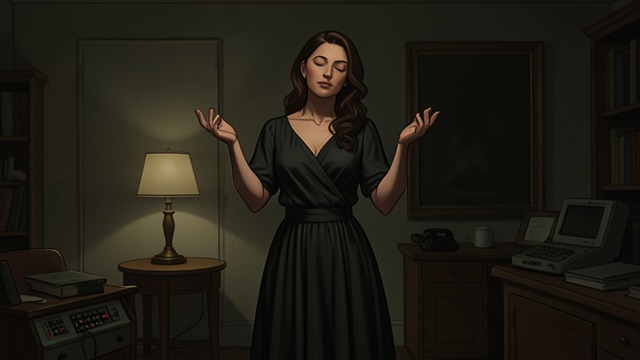
A Carnal Mysticism
Spirituality through sensation
Mona interprets blood, light, and heightened perception as experiences that exceed ordinary understanding. Her conception of the mystical includes the body rather than rejecting it.
Responsibility remains
She argues that extraordinary power increases the obligation to seek its best use. The Blood does not exempt her from questions about harm, grace, or the lives of her prey.
The first night in Lestat’s townhouse
During Mona’s second night of reflection
After Mona begins hunting
